
Fira Arrels and Menorca’s cuisine: local produce, tradition and locally sourced cuisine. Savour the island with Sagitario Hotels.
Menorca can also be discovered through its flavours. From products grown on the land and caught in the sea to recipes passed down from generation to generation, gastronomy is an essential part of the island’s identity.
Local gastronomy in Menorca
Fira Arrels 2026: Menorca’s local gastronomy and produce in Es Mercadal
Menorca can also be discovered through its flavours: local produce, recipes passed down through generations and a gastronomy deeply connected to the island.
Menorca can also be discovered through its flavours. From products grown on the land and caught in the sea to recipes passed down from generation to generation, gastronomy is an essential part of the island’s identity.
That is why events such as Fira Arrels offer a great opportunity to discover local produce, meet the people behind it and enjoy Menorcan gastronomy rooted in tradition, proximity and authentic flavours. The 2026 edition once again highlighted this close connection between produce, territory and cuisine.
Because in Menorca, eating well is also a way of travelling.
Fira Arrels Menorca celebrates the flavour of local gastronomy
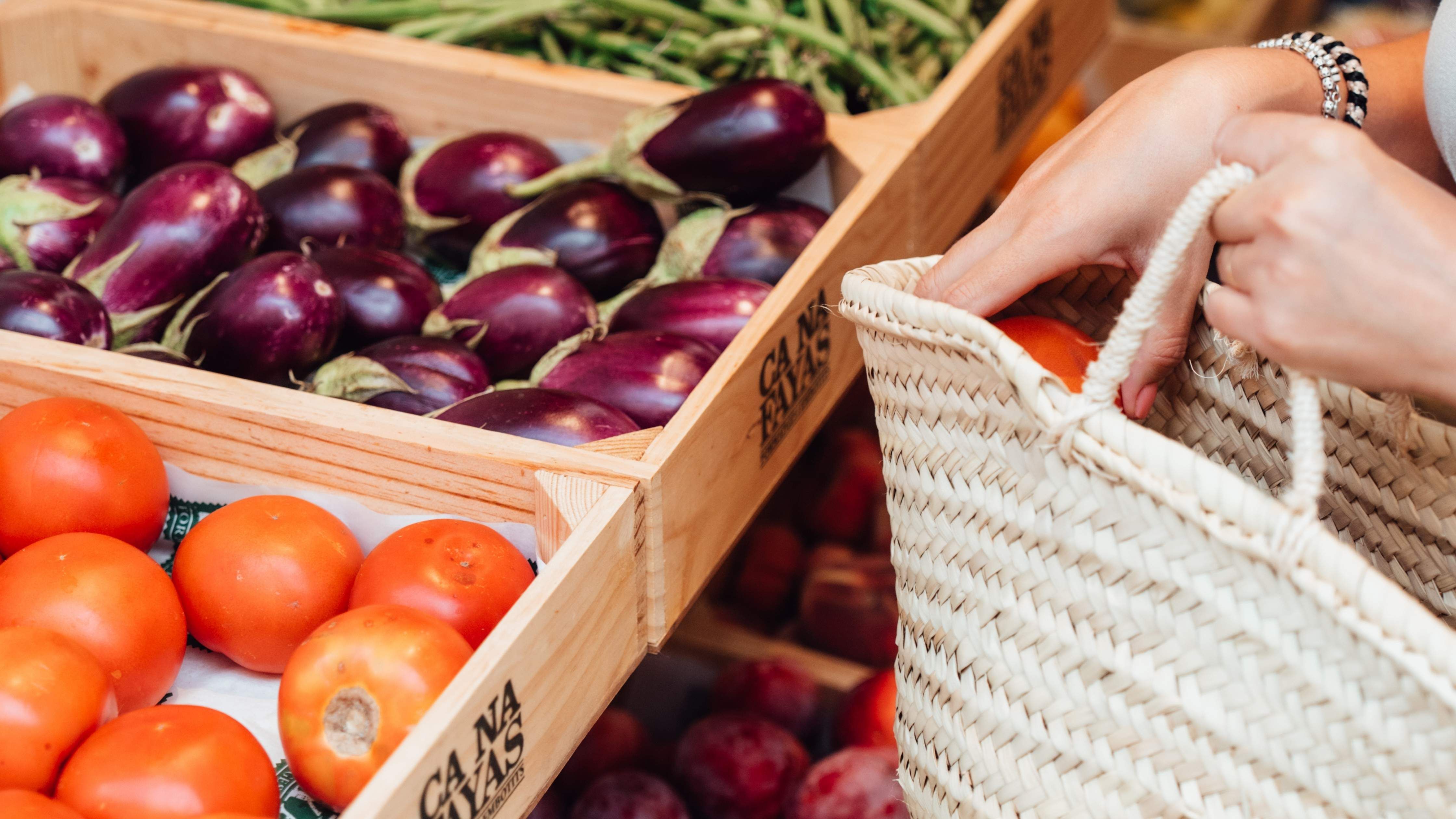
Fira Arrels places local produce and gastronomy at the heart of the event, promoting a way of understanding food that is closely connected to the land.
Because behind every product there is much more than an ingredient: there are farmers, livestock breeders, producers, artisans and families who keep Menorca’s traditions alive.
At every edition, local produce takes centre stage and reminds us of something we know well at Sagitario Hotels: when you know where the food on your plate comes from, you enjoy it in a different way.
Fira Arrels 2026 was held on 19 and 20 September in Es Mercadal
The ninth edition of Fira Arrels was held on 19 and 20 September 2026 at the Es Mercadal Exhibition Centre.
The event once again brought together local produce, cuisine and Menorcan gastronomy, highlighting the flavours that tell the story of where we come from and the close relationship between producers, the land and cooking.
It was another edition that demonstrated how discovering Menorcan products is also a way to learn more about the island, its traditions and the people who keep its gastronomic heritage alive.
Menorcan gastronomy tastes of local produce and tradition
Menorcan gastronomy is simple, authentic and deeply connected to the island. The sea, the countryside and livestock farming have shaped a cuisine that, for generations, has been based on making the most of what the land and sea provide.
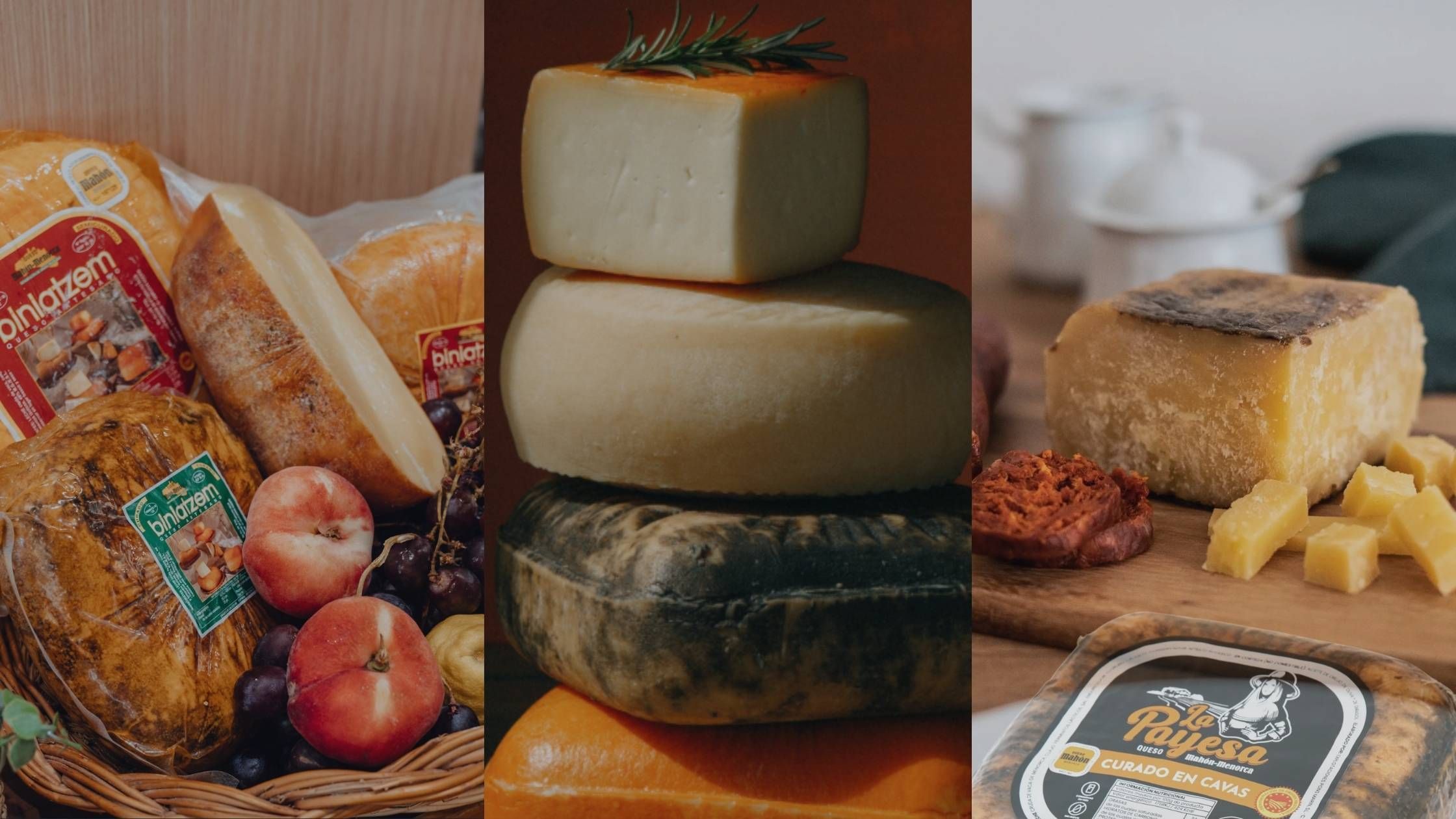
Menorcan cuisine is also a way of preserving the island’s culture and traditions. Products such as Mahón-Menorca cheese with Protected Designation of Origin, sobrassada, seasonal vegetables, locally raised meat, fish and seafood all form part of a culinary tradition that continues to evolve without losing its roots.
And perhaps that is one of the most special things about eating in Menorca: being able to taste the place you are visiting.
These are some of the typical Menorcan products you should try
If you want to discover Menorcan gastronomy during your stay, there are certain products you should not miss.
Mahón-Menorca cheese, with Protected Designation of Origin, is one of the island’s most iconic products. Its distinctive flavour and different levels of maturity make it one of Menorca’s most recognisable foods.
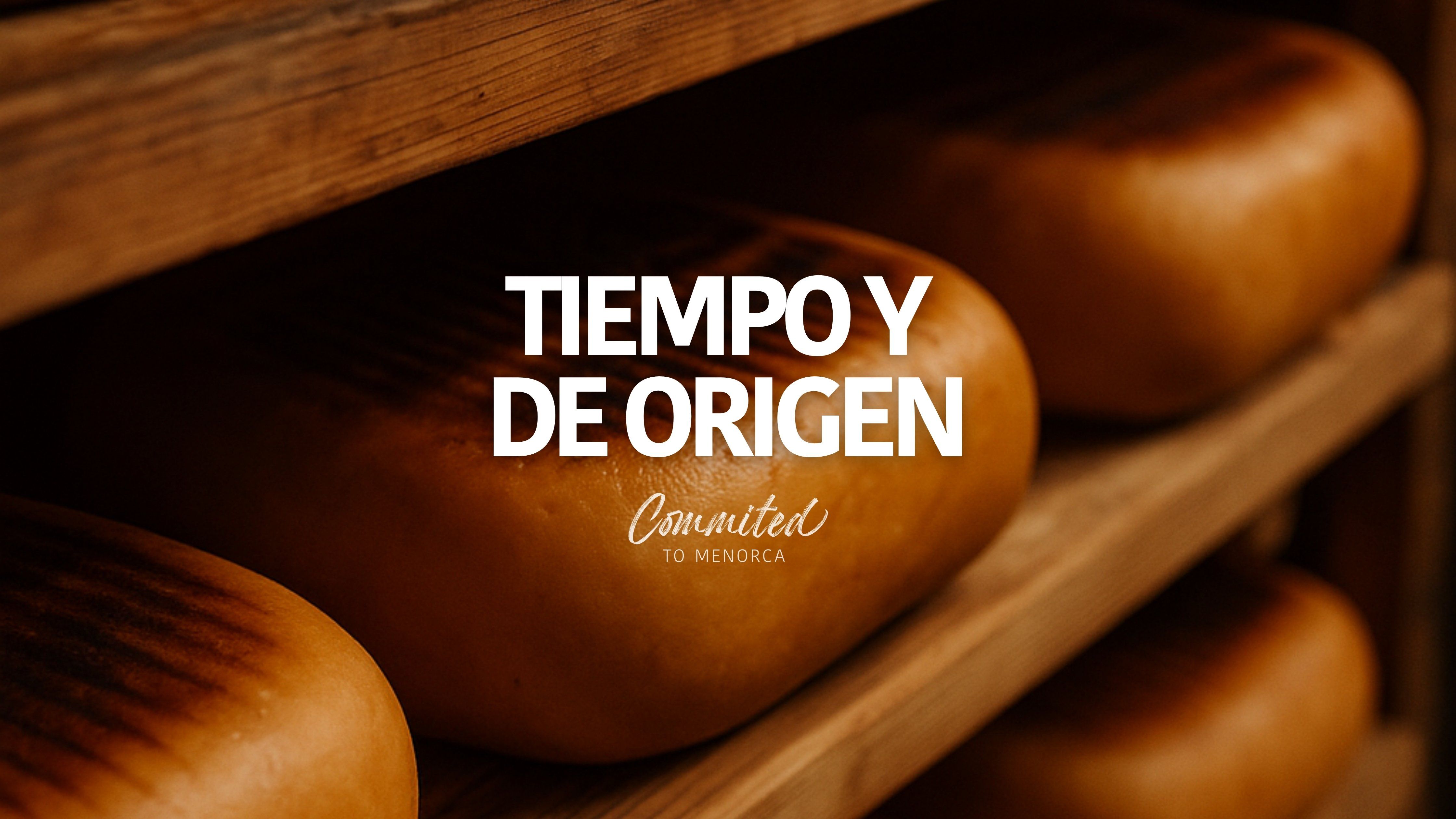
You will also find traditional cured meats such as sobrassada, seasonal fruit and vegetables, locally produced meat and products from the sea.
And, of course, there are traditional sweet treats that are an inseparable part of Menorcan identity, such as ensaimada and pastissets.
But beyond making a list, the best way to discover typical Menorcan products is to enjoy them where they are made and learn the stories behind each one.
From the land and sea to the table with KM0 gastronomy
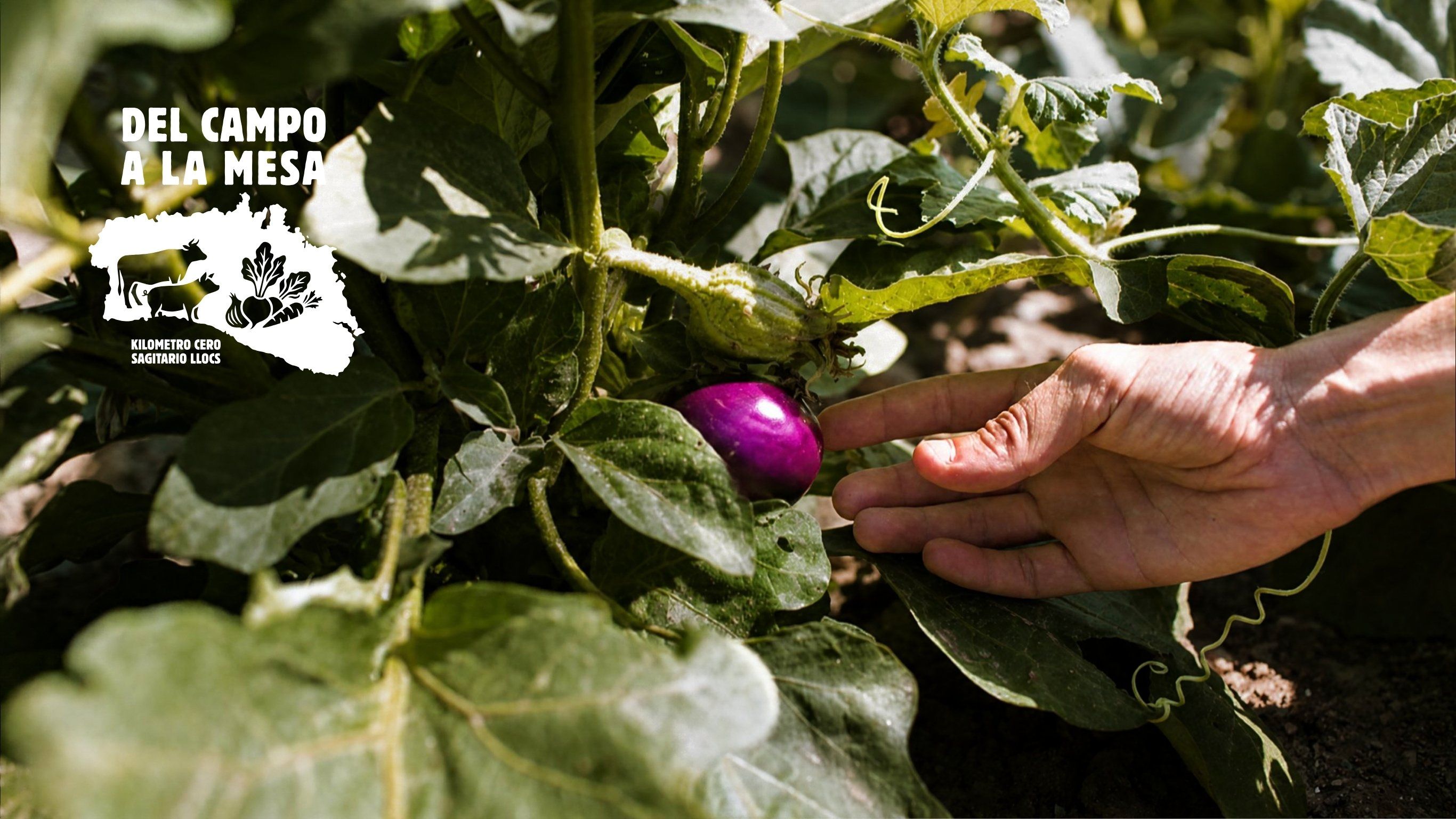
Talking about KM0 gastronomy means talking about proximity. It means using products sourced nearby, reducing unnecessary transport and creating a more direct relationship between the people who produce food and those who cook it.
KM0 cuisine highlights the value of the territory and encourages a way of eating that is more closely connected to the seasons and to the products available at each time of year.
On an island like Menorca, this philosophy makes even more sense. The countryside, the sea and the kitchen are much closer to one another than they may seem.
At Sagitario Hotels, produce from our own farms goes directly to the table
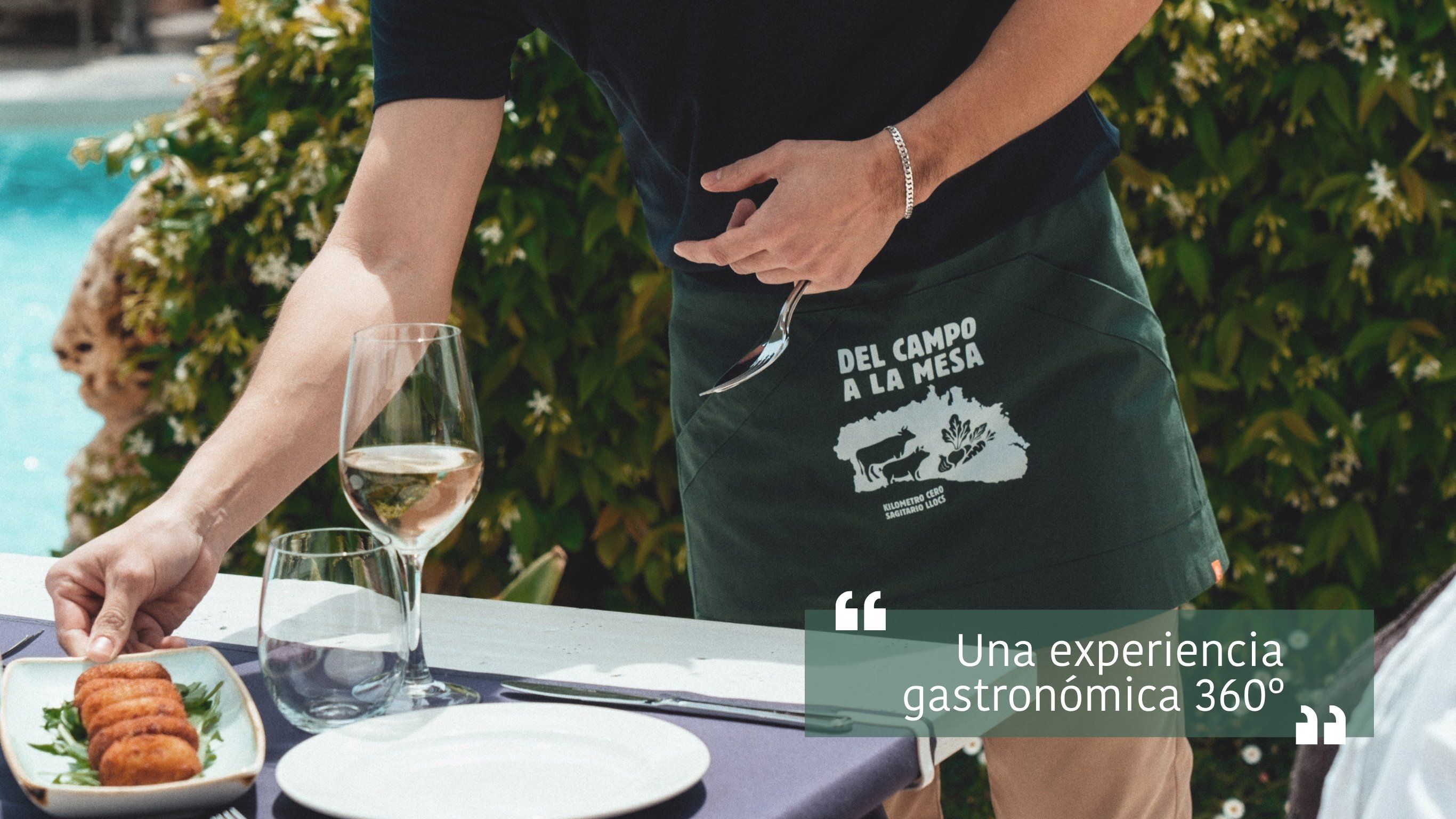
At Sagitario Hotels, we have taken this connection with the land one step further.
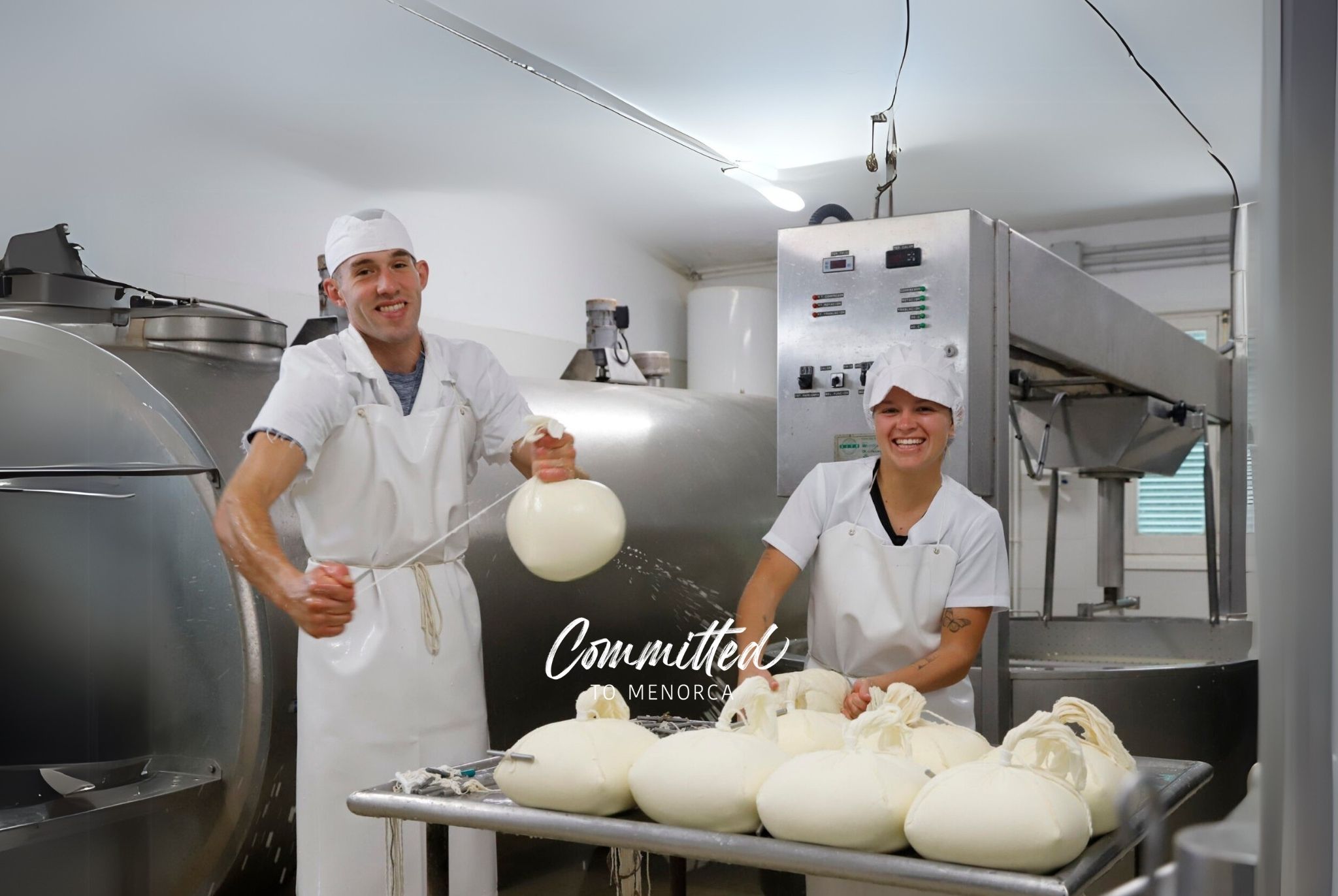
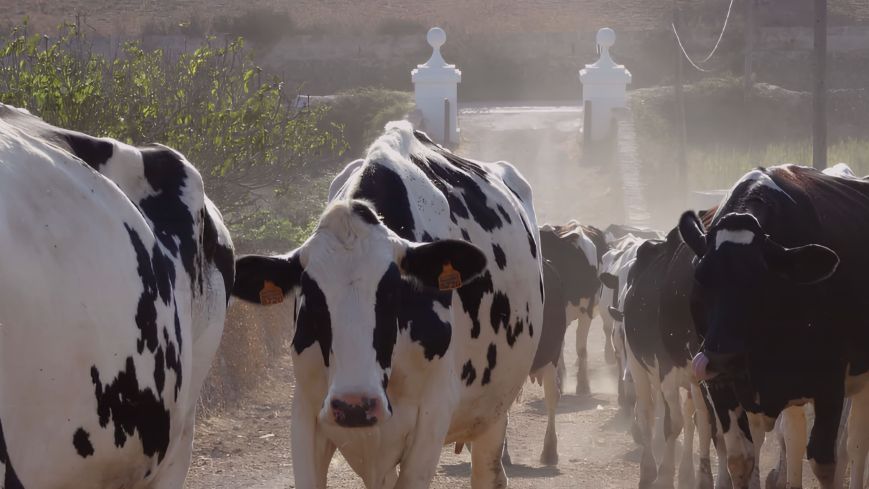
We have our own farms, Sagitario Llocs, where we grow seasonal produce, raise our own livestock and make our own Mahón-Menorca cheese with Protected Designation of Origin.
This means that some of what is produced on our land ends up directly on the tables of our hotels.
It is our way of understanding KM0 gastronomy, based on local produce, proximity and respect for the natural rhythms of the land.
From Sagitario Llocs to our hotels
Discover our connection with Menorca through local produce, our own farms and a gastronomy rooted in the island.
Discover our gastronomy and Sagitario Llocs farmsLocal produce encourages a more sustainable approach to gastronomy
Choosing local produce means much more than simply eating food from the area. It also means supporting the people who work the land, preserving traditions and contributing to an economy that is more closely linked to the territory.
That is why gastronomy can also be a tool for moving towards a more sustainable model.
At Sagitario Hotels, we believe that taking care of Menorca also means protecting what makes the island unique: its landscapes, culture, producers and way of life.
And that is exactly what we want to bring to our hotels: the pleasure of local products, also at the table.
Fira Arrels 2026: a celebration of Menorca’s local produce
Fira Arrels 2026 was once again an event designed to bring visitors closer to local produce and gastronomy and to discover, through its producers and culinary proposals, an essential part of Menorca’s identity.
Although the 2026 edition has now finished, its philosophy reflects a way of experiencing gastronomy that can be enjoyed throughout the year on the island: discovering where food comes from, meeting local producers and enjoying flavours that are closely connected to the territory.
If you are planning your next trip to Menorca, gastronomy can become one of the main threads of your journey. Exploring its towns and villages, discovering the countryside and the sea, tasting traditional products or simply sitting down at the table without rushing are all ways of getting to know the island.
And at Sagitario Hotels, you can continue that gastronomic journey by discovering a cuisine linked to Menorca and to produce sourced from our own farms.
Discover Menorca through its flavours
Continue your gastronomic journey with Sagitario Hotels and discover local produce, Menorcan cuisine and Sagitario Llocs.
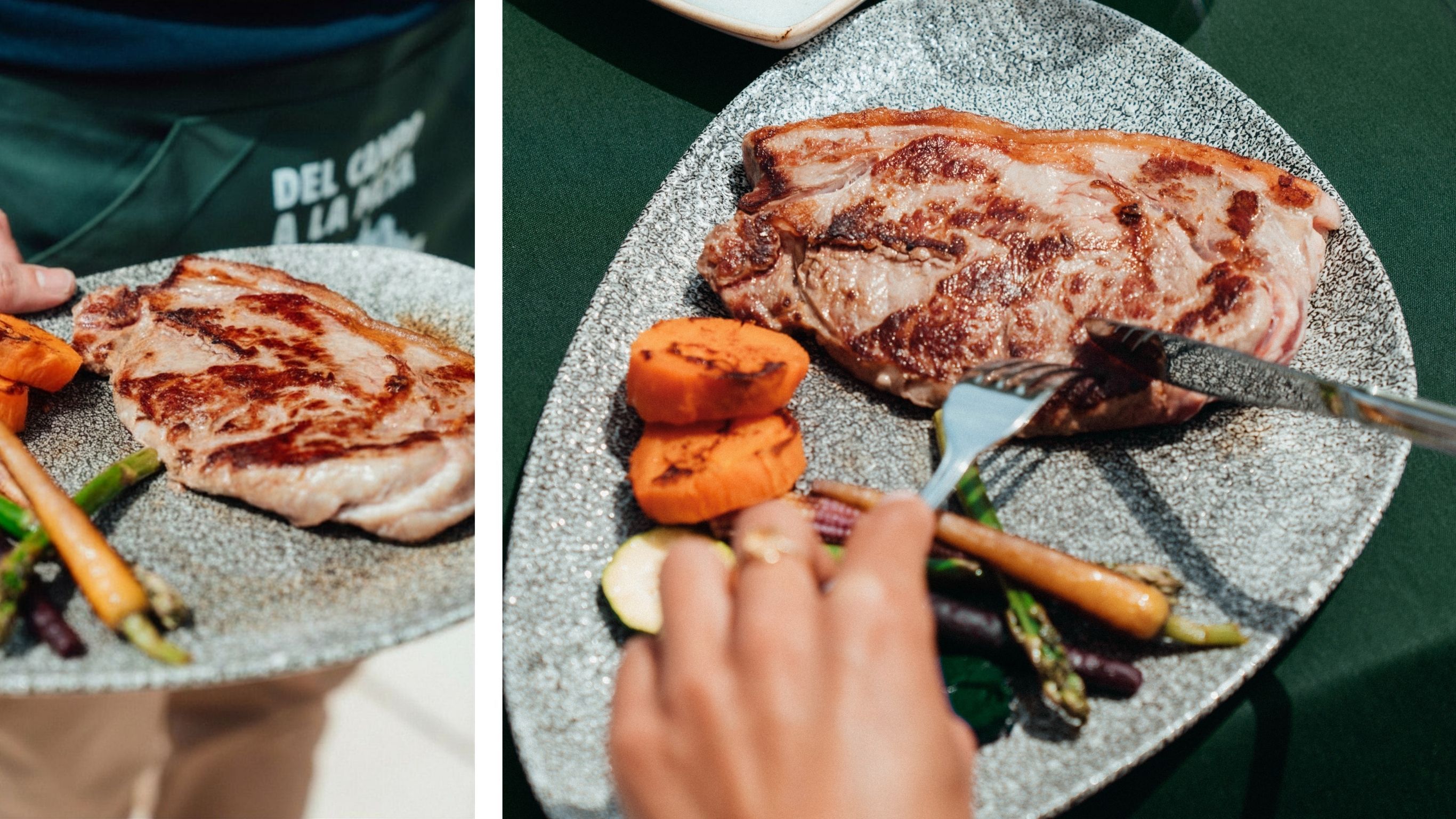
Because Menorca can be explored, admired and also tasted.
Frequently asked questions about Fira Arrels
What are some typical dishes from Menorcan cuisine?
Some of the best-known dishes and products include lobster stew, sobrassada, different fish and seafood recipes and dishes prepared with local produce from the countryside. Menorcan gastronomy also has a strong tradition of pastries and desserts.
What is the traditional dish of Menorca?
One of the island’s most representative dishes is lobster stew, particularly associated with Menorca’s coastal towns. There are also many other traditional recipes that form part of Menorcan cuisine.
What does KM0 mean in gastronomy?
KM0 gastronomy focuses on using local produce and reducing the distance between where food is produced and where it is consumed.
What is KM0 food?
It is an approach to cooking based mainly on local and seasonal ingredients. Its aim is to highlight products from the surrounding area and encourage a closer relationship with local producers.
What requirements does a restaurant need to meet to be considered KM0?
The criteria may vary depending on the certification or organisation involved, but they generally take into account the use of local and seasonal products, the proximity of suppliers and a commitment to a more sustainable food model.