A guide to the traditional recipes and essential flavours of Menorcan cuisine.
Discover Menorca’s traditional dishes and let yourself be surprised by the island’s flavours. From lobster stew and oliaigua to its traditional cheeses and sweets, we invite you to discover the recipes that form part of authentic Menorcan cuisine.
Menorca can also be discovered through its flavours. From seafood recipes to traditional countryside dishes, Menorcan cuisine reflects the island's history, landscapes and customs. A culinary heritage that has preserved its essence through generations, with local and seasonal ingredients taking centre stage.
If you're wondering what to eat in Menorca and which traditional dishes you shouldn't miss, we invite you to discover some of the island's most authentic flavours: the famous lobster stew, traditional oliaigua, local cheeses, cured meats and sweet treats.
Because discovering traditional Menorcan food also means sitting down at the table, tasting its recipes and learning the stories behind each dish.
Menorcan gastronomy: a cuisine connected to the sea and the land
Menorcan gastronomy is the result of a close relationship between the island's inhabitants and their surroundings. For generations, local cuisine has been shaped by the ingredients provided by the countryside and the Mediterranean Sea, giving rise to simple, flavourful recipes steeped in tradition.
Many traditional dishes originated in Menorca's rural homes, known as llocs, where families cooked with ingredients grown in their gardens and produced on their own farms. Others emerged in fishing villages, where fresh fish was the main ingredient.
This heritage has also been influenced by the different cultures that have passed through Menorca, enriching its culinary traditions with ingredients, techniques and customs that remain part of the island's identity today.
This connection between gastronomy, territory and tradition is also reflected in events such as Fira Arrels, an event dedicated to Menorca's gastronomy and local produce, which offers the opportunity to discover the flavours and people keeping the island's food culture alive.
Traditional Menorcan dishes you must try
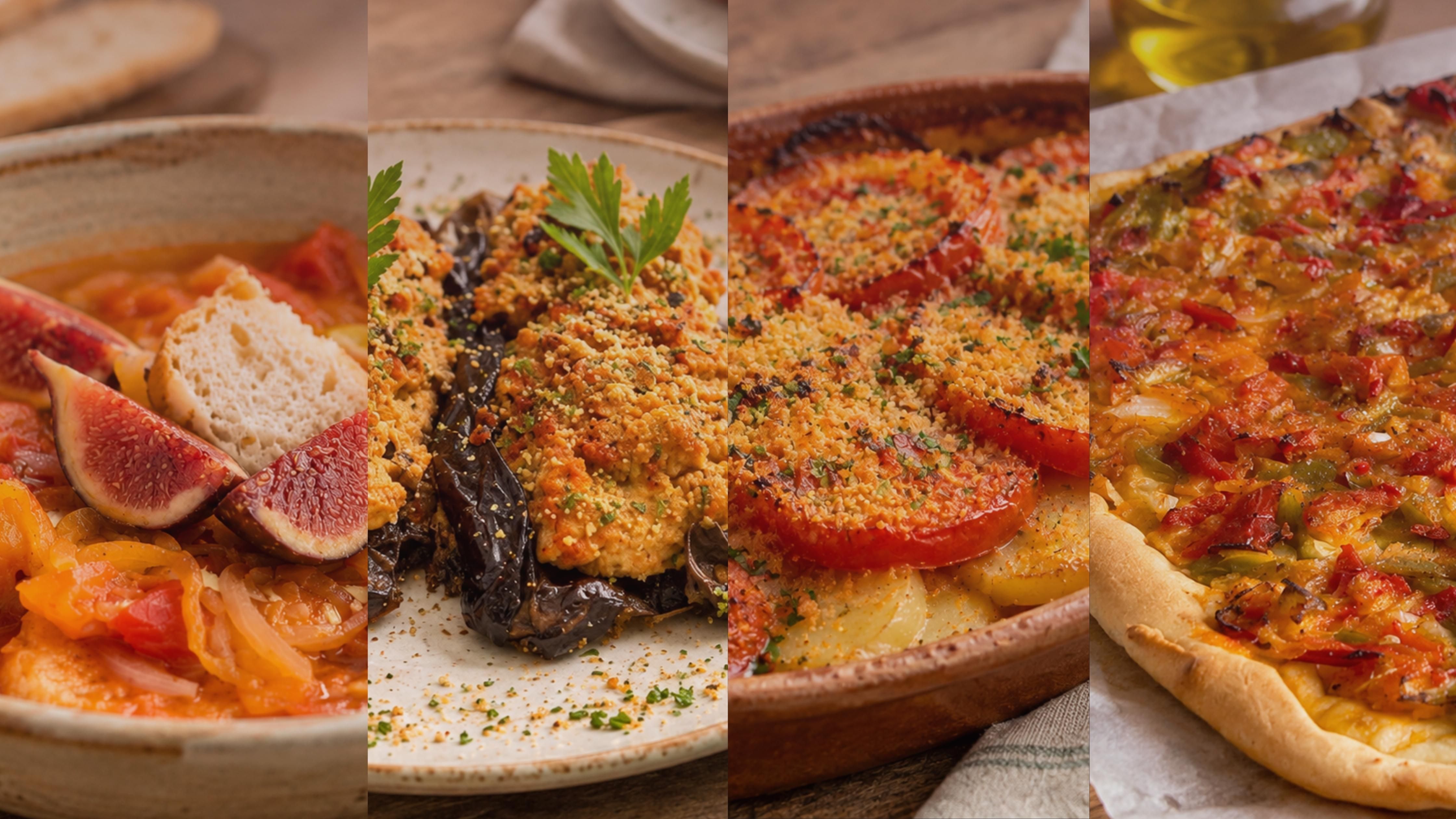
Although lobster stew is probably Menorca's best-known dish, the island's gastronomy offers many other recipes worth discovering.
From humble preparations that once formed part of everyday meals to dishes traditionally reserved for special celebrations, here are some of the traditional dishes of Menorca we recommend trying during your stay.
Dish 01 · Seafood cuisine
Lobster stew: one of Menorca's most iconic dishes
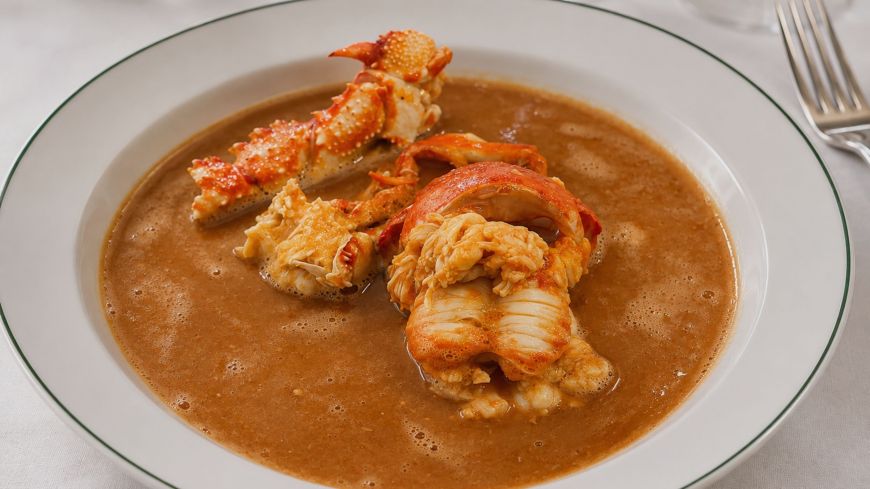
Talking about Menorcan gastronomy inevitably means talking about lobster stew, known locally as caldereta de langosta, one of the island's most representative dishes.
Particularly associated with Fornells, a village with a strong fishing tradition on the north coast, this recipe is prepared with lobster, sautéed vegetables and a richly flavoured broth. Traditionally, it is cooked in an earthenware casserole and served with thin slices of bread.
Although it is now one of Menorca's most celebrated gastronomic specialities, lobster stew has its roots in the cuisine of local fishermen, who used the products of the sea to prepare their meals.
Its preparation requires time and care, as much of its character comes from the quality of the lobster and the preparation of the broth. The vegetable base, cooking process and resting time all contribute to a rich dish in which the ingredients blend together while retaining their individual flavours.
If you're visiting Menorca and enjoy seafood, tasting a good lobster stew is one of the island's most recognised gastronomic experiences. This dish is also included among the official gastronomic icons of Menorca, highlighting its fishing heritage and connection with Fornells.
Dish 02 · Countryside cuisine
Oliaigua: the simplicity of traditional Menorcan cooking
Not all traditional Menorcan dishes are connected to the sea. Some of the island's most representative recipes come from its rural culinary heritage, such as oliaigua.
This humble recipe is prepared with simple ingredients: tomatoes, green peppers, onions, garlic, olive oil, water and salt. A combination that shows how Menorcan cuisine has made the most of garden produce to create dishes full of flavour.
Unlike other soups, oliaigua is characterised by a preparation method in which the broth is gently heated without allowing it to boil vigorously, a distinctive feature of the traditional recipe.
It is usually served with bread, which complements this simple and comforting dish.
One of its best-known variations is oliaigua amb figues, served with fresh figs during the summer season.
The contrast between the flavour of the vegetables and the sweetness of the figs makes this one of the most characteristic combinations in traditional Menorcan cooking.
Beyond its flavour, oliaigua represents an approach to gastronomy based on simplicity, making the most of available ingredients and respecting seasonal produce.
If you'd like to learn more about its history and ingredients, you can consult the official information about Menorcan oliaigua.
Dish 03 · Family tradition
Menorcan stuffed aubergines: a traditional family recipe
Stuffed aubergines are another classic of Menorcan cooking, particularly during the months when this vegetable is in season.
This recipe is closely associated with home cooking, with different versions depending on each family's traditions.
In one of its most traditional preparations, the aubergines are hollowed out and filled with their own flesh, combined with sautéed vegetables. They are then topped with breadcrumbs and baked until the surface is lightly golden.
There are also variations that include other ingredients, such as meat.
One of the most interesting aspects of this recipe is precisely its diversity. There is no single way to prepare it: each family may introduce small changes to the filling, seasonings or cooking method.
This variety reflects the domestic character of much of Menorcan gastronomy, where recipes have been passed down from generation to generation.
Stuffed aubergines can be served as a main course or side dish and are an excellent option for anyone wishing to try traditional vegetable-based recipes.
Dish 04 · Oven-baked tradition
Menorcan perol: a traditional oven-baked dish
Perol is another of the most characteristic preparations in Menorcan gastronomy.
Its name refers to the dish in which it is traditionally cooked: an ovenproof baking dish containing ingredients such as potatoes, tomatoes and other vegetables.
There are different versions of perol, some made entirely with vegetables and others incorporating meat or fish.
One of the most popular variations is perol de tomàtic, in which potatoes and tomatoes are baked with olive oil, garlic and breadcrumbs.
The preparation is simple, but patience is needed to ensure the potatoes become tender and the surface develops a lightly golden finish.
The result is a flavourful dish that can be served as an accompaniment or become the centrepiece of a meal.
Its popularity is partly due to the simplicity of its ingredients and its versatility. It is one of those dishes that demonstrates how traditional cooking can transform everyday produce into recipes full of flavour.
Dish 05 · Seafood cuisine
Menorcan stuffed squid: a traditional seafood recipe
Stuffed squid forms part of Menorca's traditional culinary repertoire and reflects the island's close relationship with the Mediterranean Sea.
Its preparation allows for different variations, both in the filling and in the sauce served alongside it.
The squid is usually stuffed with a mixture of ingredients that may include its own tentacles, vegetables and other products, depending on the family recipe.
Once stuffed, the squid is cooked slowly to achieve a tender texture and a concentrated sauce that brings together the flavours of all the ingredients.
This dish requires a certain amount of dedication and has traditionally been served at family meals and special occasions.
Although its ingredients may vary from one household to another, the essence of the recipe remains the same: making the most of seafood and preparing it patiently, following Menorcan culinary traditions.
Dish 06 · Traditional bakeries
Menorcan coca: a sweet and savoury classic
Cocas hold an important place in traditional Menorcan gastronomy and come in different varieties, both sweet and savoury.
Among the savoury versions are vegetable cocas, prepared with ingredients such as tomatoes, peppers or onions on a baked dough base.
Sweet varieties include those made with seasonal fruit, such as apricot coca.
One of the distinctive features of Menorcan cocas is their versatility. They can be enjoyed as part of an informal meal, an afternoon snack or a celebration.
Their presence in traditional bakeries makes them an interesting option for anyone wishing to discover the island's everyday flavours.
They are also a good example of how Menorcan gastronomy uses simple ingredients to create products deeply connected to its popular culture.
Typical Menorcan products that complement the island's cuisine
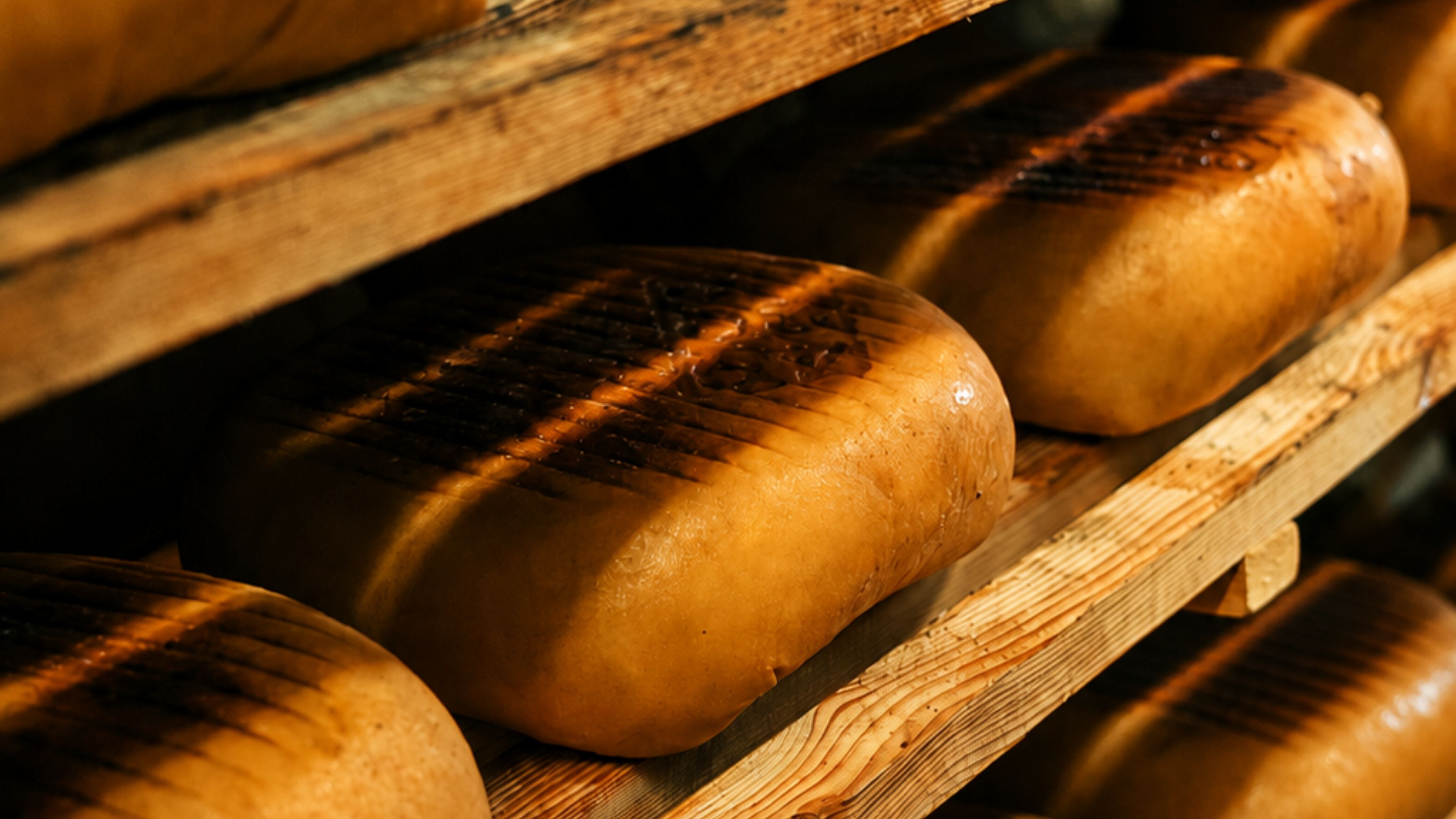
Alongside its traditional recipes, Menorca is home to gastronomic products that form part of its identity and are well worth discovering during a visit.
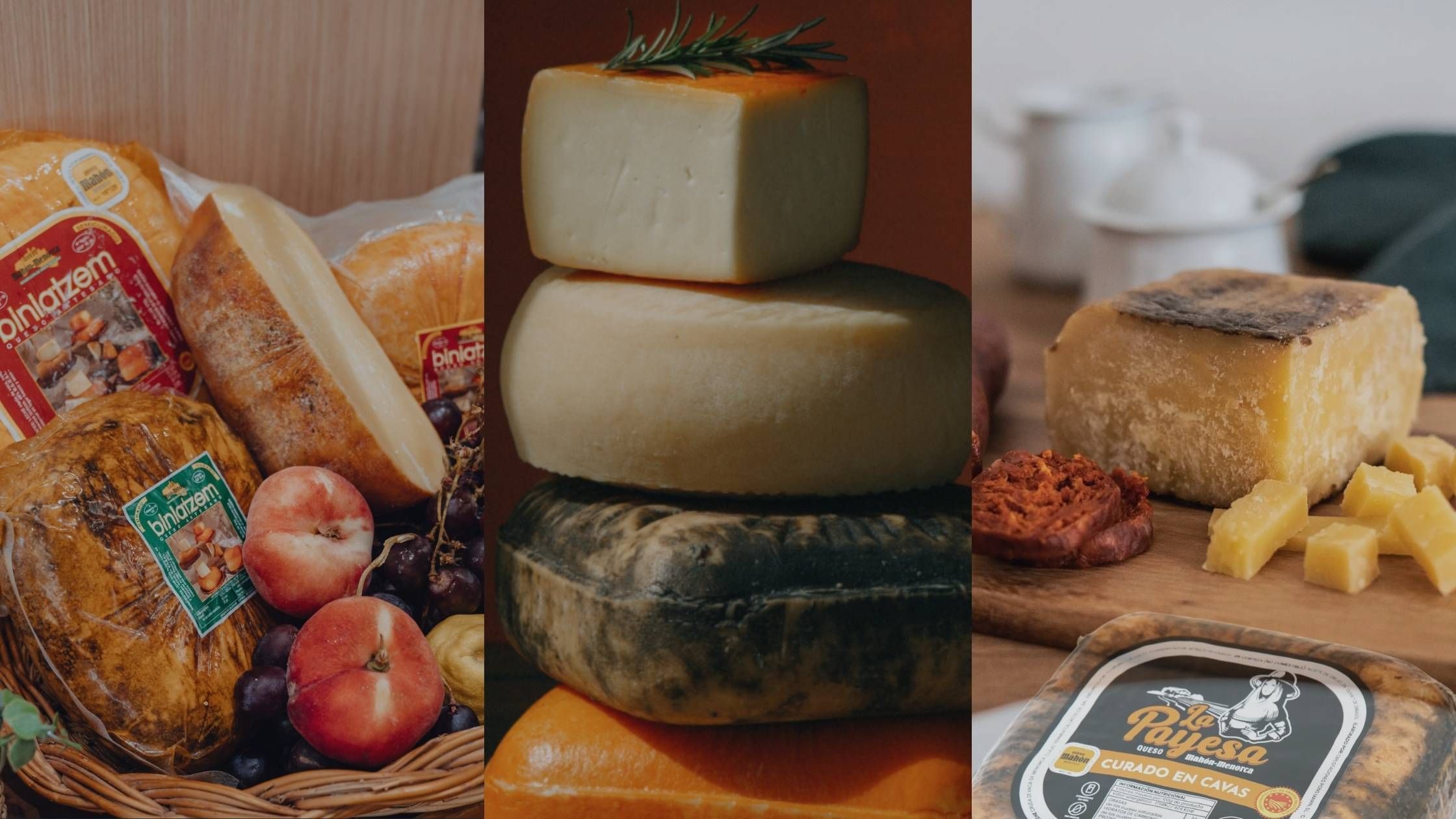
One of the most notable is Mahón-Menorca cheese with Protected Designation of Origin (PDO), one of the most representative products of the island's farming heritage.
Made primarily from cow's milk, it is characterised by its square shape with rounded edges and a range of flavours that develop according to its ageing period. Its authenticity is monitored by the Regulatory Council of the Mahón-Menorca PDO.
Traditional cured meats are also well known, including sobrasada and carn i xulla, both linked to longstanding family traditions associated with pig slaughter and meat preservation.
These products can be enjoyed on their own, as part of an appetiser or incorporated into different dishes.
If you'd like to learn more about their characteristics, meet local producers or discover where to buy them, we recommend our guide to local products in Menorca, where you'll find information about cheeses, artisan cured meats and local markets.
Traditional Menorcan desserts: the island's sweeter side
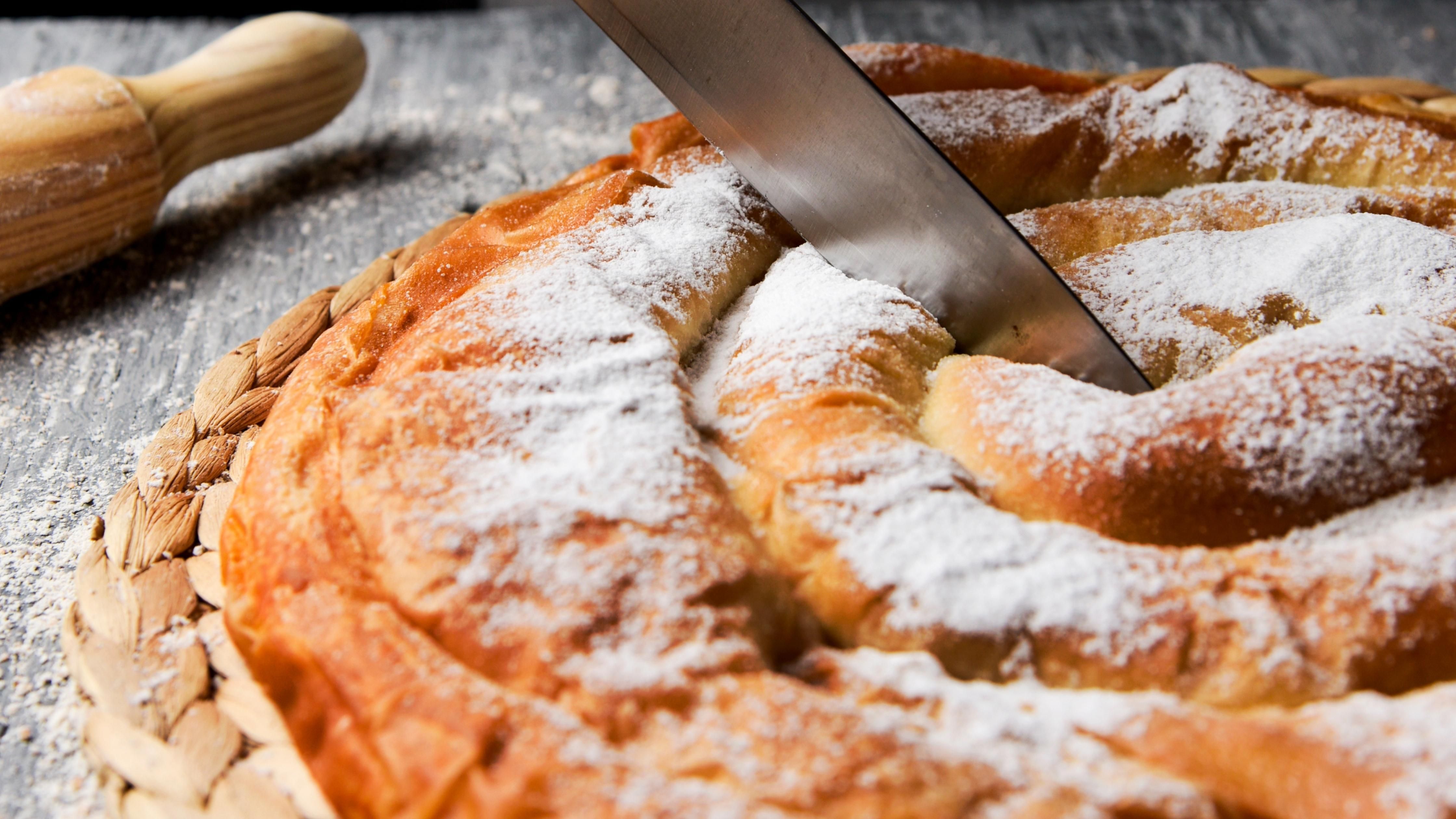
Pastries and desserts also play an important role in Menorcan gastronomy.
Many traditional sweet specialities are associated with popular celebrations, patron saint festivities and family customs.
If you have a sweet tooth, here are some of the traditional desserts of Menorca worth trying.
Pastissets and crespells: traditional Menorcan pastries
Pastissets are small pastries with a distinctive shape, usually featuring edges that resemble a flower and a dusting of icing sugar.
Their delicate texture and flavour make them one of the most recognisable products of traditional Menorcan baking.
Crespells, meanwhile, are another traditional island sweet and can be found with different fillings, such as jam or fresh cheese, depending on the recipe.
Both are part of Menorca's popular baking traditions and are commonly found in traditional bakeries and pastry shops.
Carquinyols: crunchy almond treats
Carquinyols are small, crunchy biscuits made with almonds, flour, sugar and eggs.
Those from Es Mercadal, a town in inland Menorca with a strong baking tradition, are particularly well known.
Their crunchy texture and almond flavour make them a popular choice to accompany a coffee or take home as a gastronomic souvenir of the island.
Despite their small size, carquinyols are among those traditional treats that have maintained their popularity over time.
Coca bamba: tradition and celebrations
Coca bamba is a sweet, soft and fluffy bread closely associated with Menorca's popular celebrations.
It is traditionally enjoyed with a cup of thick hot chocolate, particularly during patron saint festivities.
Its soft texture and delicate flavour make it one of the most characteristic specialities of Menorcan baking.
It is one of those products that demonstrates how closely gastronomy is connected to the island's cultural and festive life.
Which traditional Menorcan dishes to try throughout the year
Although many traditional dishes can be enjoyed for much of the year, certain recipes are particularly associated with the produce available in each season.
During summer, fresh garden vegetables take centre stage in preparations such as oliaigua with figs, stuffed aubergines and vegetable cocas.
In the cooler months, other traditional preparations and recipes featuring seasonal ingredients become more prominent.
Traditional pastries, meanwhile, remain closely connected to Menorca's calendar of celebrations.
Discover Menorcan gastronomy during your stay at Sagitario Hotels
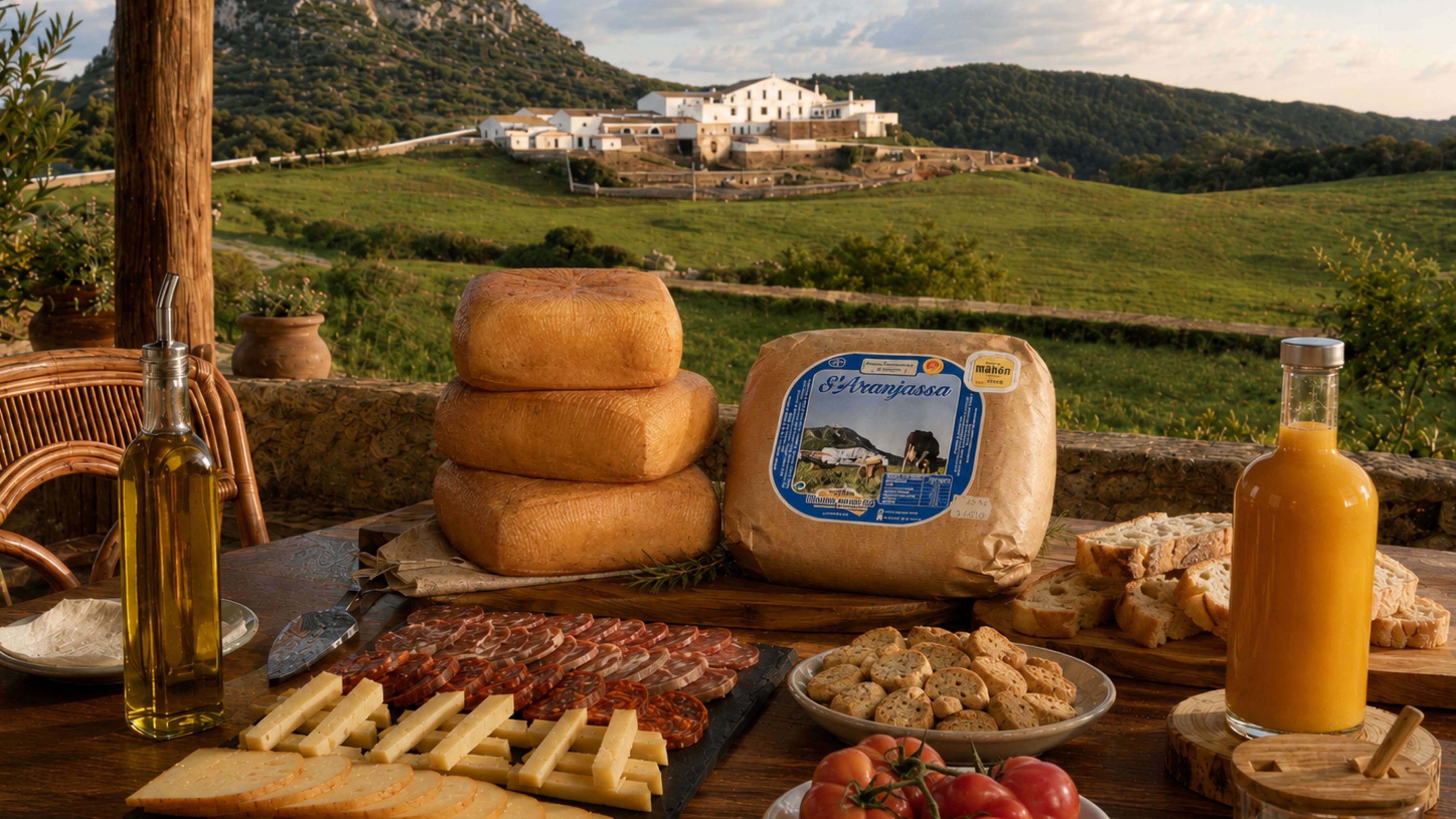
Discovering Menorca's traditional dishes is a way to connect with the island's culture, but the gastronomic experience also provides an opportunity to learn about the people who grow, produce and prepare its food.
At Sagitario Hotels, this connection with the local landscape is part of our approach to gastronomy.
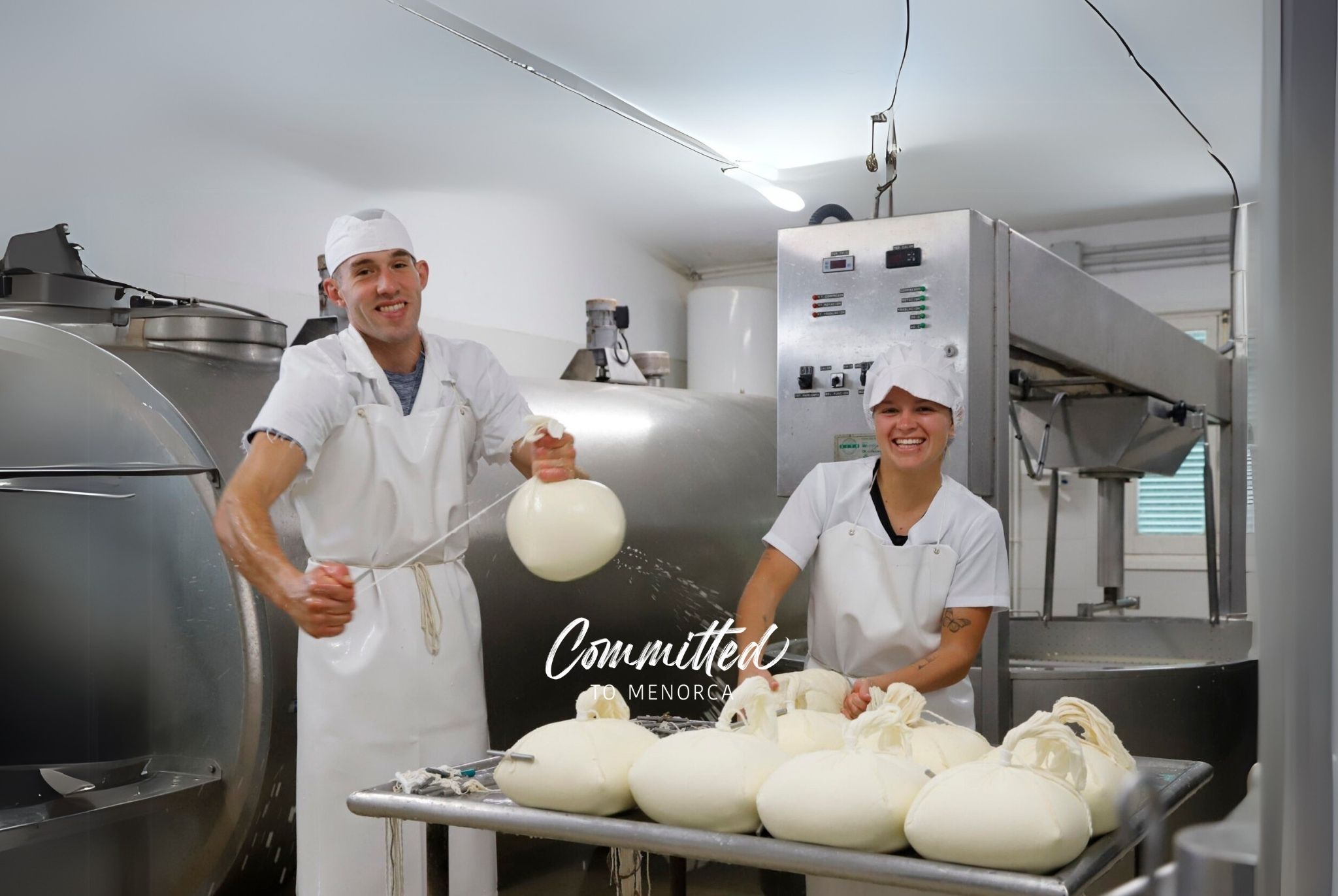
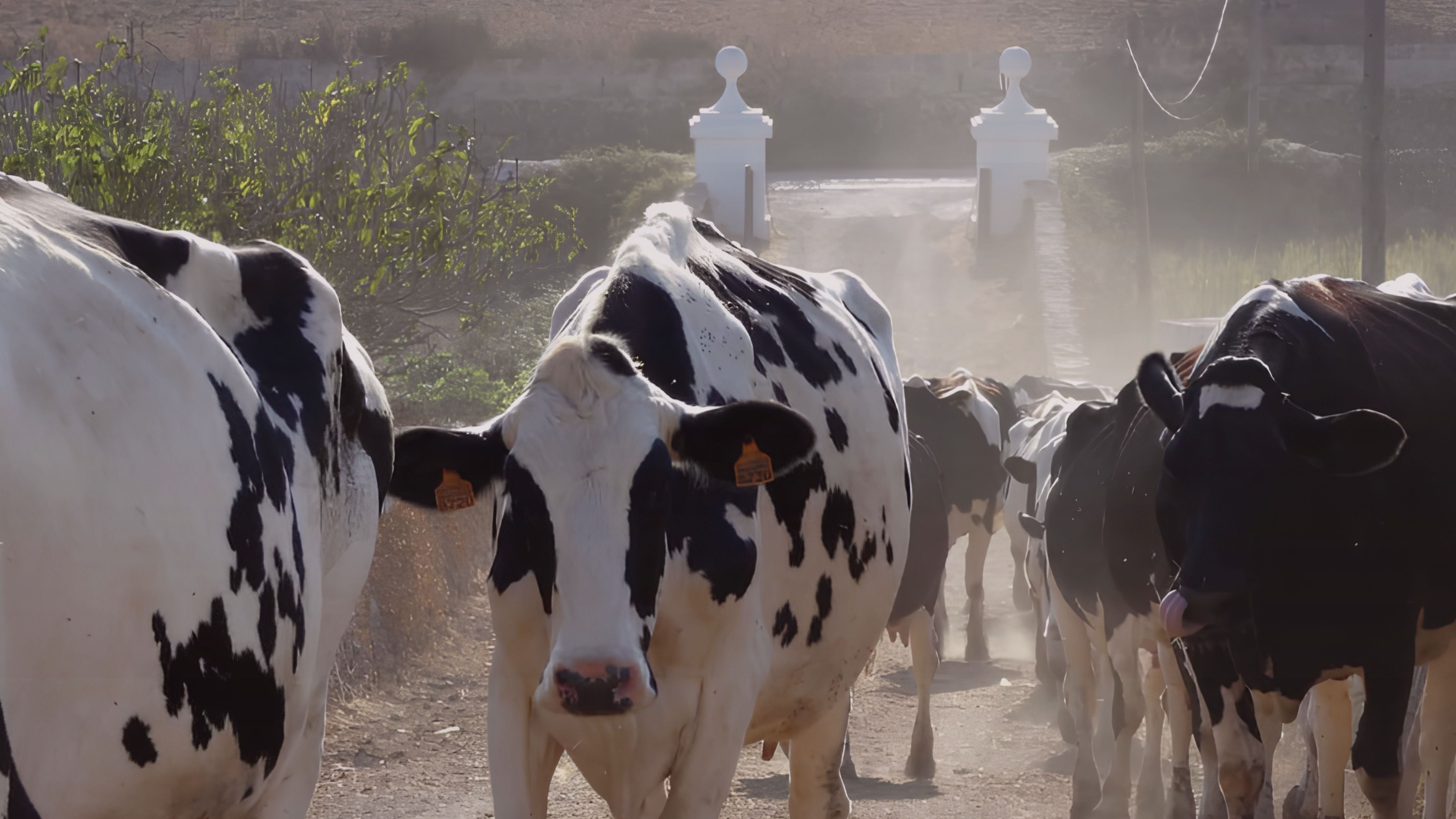
Through Sagitario Llocs, our traditional Menorcan rural estates, we are committed to local, responsible production that allows us to bring the flavours of the countryside to the tables of our hotels.
Estates such as Biniatzem, S'Aranjassa, Son March, Son Marquet and Son Tarí Vell form part of this project, where locally sourced produce plays a central role.
Products such as seasonal fruit and vegetables, meat and Mahón-Menorca cheese reflect a gastronomic philosophy based on respect for ingredients and a strong connection with the surrounding environment.
Behind this activity are also people who work every day to keep Menorca's rural traditions alive, as we explain in our article about Laura Rotger and Fel Moll, the farmers who bring flavour to the Sagitario experience.
During your stay, you can discover our Mediterranean and Menorcan culinary offering, where local produce has an important place.
Menorca's gastronomic culture also extends to the world of wine. The island has wineries producing their own wines and offering experiences that introduce visitors to its winemaking heritage. If you'd like to complement your trip with a wine tourism experience, you can explore our guide to Camí del Vi in Menorca: wineries, wines and local experiences.
We invite you to discover more about our Menorcan gastronomy and Sagitario Llocs estates, another way to continue exploring the island through its flavours.
Frequently asked questions about traditional Menorcan food
What is the most traditional dish in Menorca?
Lobster stew is one of the most iconic and recognised dishes in Menorcan gastronomy. However, recipes such as oliaigua, stuffed aubergines and perol are also essential parts of the island's traditional cuisine and reflect its history and customs.
What traditional food can you eat in Menorca besides lobster stew?
Menorca offers a wide variety of traditional dishes, including oliaigua, stuffed aubergines, perol, stuffed squid and vegetable cocas. Many of these recipes originate from rural and fishing communities and are prepared using local and seasonal ingredients.
Which traditional Menorcan dishes are made with vegetables?
Among the best-known vegetable-based recipes are oliaigua, stuffed aubergines, perol de tomàtic and savoury cocas. These preparations reflect the importance of garden produce in traditional Menorcan cuisine.
What traditional desserts should you try in Menorca?
Ensaimada is one of the best-known and most representative pastries in Menorca, both in its traditional form and in its filled varieties. Other typical island sweets include pastissets, crespells, carquinyols and coca bamba. Many of these specialities are associated with popular festivities and family celebrations, although they can also be found throughout the year in the island's bakeries and pastry shops.
Which traditional Menorcan dishes can you try all year round?
Dishes such as lobster stew, perol and stuffed squid may be available at different times of the year, depending on the establishment and the availability of ingredients. Other recipes, such as oliaigua with figs, are particularly associated with seasonal produce.
What food is Menorca most famous for?
Menorca is known for its traditional gastronomy, with specialities such as lobster stew, oliaigua, Mahón-Menorca cheese and Menorcan sobrasada. Other highlights include rural recipes made with seasonal ingredients and traditional sweets such as pastissets and coca bamba.
Where can you eat traditional Menorcan food?
To enjoy traditional Menorcan food, you can visit restaurants serving local cuisine, establishments in inland villages and fishing towns such as Fornells, which is particularly well known for its lobster stew.
At Sagitario Hotels, we are also committed to Mediterranean and Menorcan gastronomy, using locally sourced products from our Sagitario Llocs estates.
What is a typical Menorcan dish?
Lobster stew is one of Menorca's most iconic dishes. Particularly associated with Fornells, it is prepared with lobster, sautéed vegetables and a richly flavoured broth. Other traditional island dishes include oliaigua, Menorcan perol and stuffed aubergines.
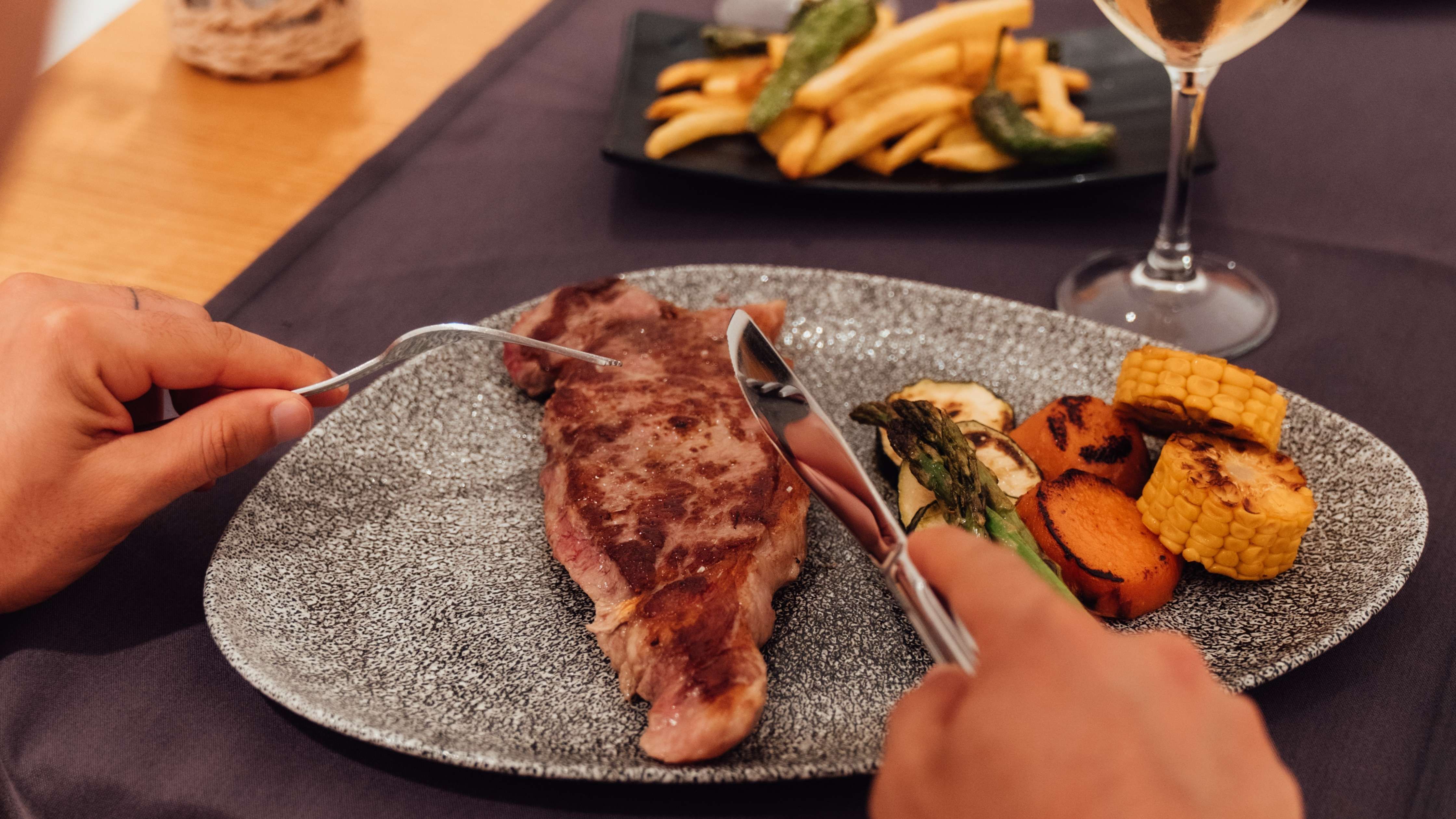
Experience the flavours of Menorca during your stay at Sagitario Hotels
Menorca is much more than beaches and Mediterranean landscapes. It is also an island of traditions, local produce and recipes that tell stories passed down through generations.
From the flavours of the sea to countryside recipes and traditional sweet treats, discovering Menorca's typical dishes is a way to experience its culture from a different perspective.
At Sagitario Hotels, we invite you to enjoy this experience and explore the island at your own pace, discovering its hidden corners, customs and gastronomy.
Enjoy an experience where tranquillity, the surroundings and local flavours are all part of the journey.